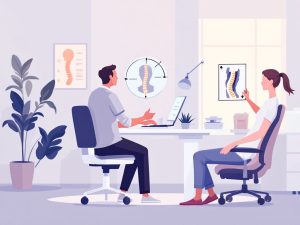

Common posture issues
Poor posture can lead to persistent aches, reduced mobility, and decreased confidence. If you notice your shoulders rounding forward, your head jutting ahead of your spine, or an exaggerated curve in your lower back, you may benefit from chiropractic for posture issues. By realigning your spine and addressing muscle imbalances, you can restore natural posture and reduce strain on your body.
Common postural deviations include forward head posture, rounded shoulders, excessive lumbar curve (hyperlordosis), and an over-curved upper back (kyphosis). Each pattern places uneven stress on joints and soft tissues, which can cause discomfort and limit daily activities.
| Posture issue | Description | Common causes |
|---|---|---|
| Forward head posture | Head positioned anterior to shoulders | Prolonged screen use, desk work, poor ergonomics |
| Rounded shoulders | Shoulders roll forward and inwards | Weak upper back muscles, slouching |
| Hyperlordosis | Increased inward curve of the lower back | Weak core, obesity, pregnancy |
| Kyphosis | Exaggerated outward curve of the upper back | Aging, osteoporosis, poor lifting technique |
Understanding these patterns is the first step toward correction. In the following sections, you’ll learn how chiropractic adjustments, targeted therapies, and lifestyle changes work together to help you stand taller, move freely, and feel more balanced.
Chiropractic adjustment benefits
Spinal manipulation and related chiropractic techniques offer several advantages for addressing postural issues and associated pain. Research shows that spinal manipulative therapy can be as effective as standard medical care or physical therapy for chronic low back pain [1]. Adjustments focus on joint mobility, nerve function, and soft tissue health, promoting overall spinal wellness.
Key benefits include:
- Spinal realignment and joint health
By applying controlled force to targeted joints, a chiropractor helps restore proper vertebral position. This process relieves abnormal pressure, allowing your spine to move more freely and reducing compensatory muscle tension. - Muscle tension relief
Adjustments combined with soft tissue techniques can alleviate stiffness and soreness. You may notice sensations similar to post-workout release rather than significant discomfort [2]. - Pain management without medication
Many adults seek chiropractic care as an alternative to prescription drugs. Over 85% of chiropractic patients use adjustments for pain relief, according to national data [3]. - Enhanced nerve function
Proper spinal alignment can reduce nerve irritation, which may improve coordination, sensation, and overall bodily function.
In addition to immediate relief, these benefits contribute to long-term posture correction by addressing the root causes of misalignment rather than simply masking symptoms.
Posture correction techniques
A comprehensive posture program integrates several chiropractic and supportive therapies. Depending on your needs, your chiropractor may combine the following approaches:
- Manual spinal manipulation
- Precise, hands-on adjustments to realign vertebrae
- Often accompanied by audible joint “pops,” which are harmless releases of joint gases
- Soft tissue therapy
- Myofascial release, instrument-assisted techniques, and gentle massage
- Targets muscle knots and adhesions that pull joints out of alignment
- Targeted exercises
- Core-strengthening routines to support the lumbar spine
- Upper back and neck exercises to counter forward head posture
- Stretching protocols for chest and hip flexor muscles
- Ergonomic education
- Recommendations for desk setup, chair height, and monitor positioning
- Advice on lifting, carrying, and sleeping postures to reduce daily strain
Table: Typical posture correction timeline
| Phase | Duration | Focus |
|---|---|---|
| Assessment | 1 session | Posture analysis, range of motion testing |
| Intervention | 4–6 weeks (2–3 visits/wk) | Adjustments, soft tissue care, exercise plan |
| Maintenance | Monthly or as needed | Follow-up adjustments, progress evaluation |
Combining these methods creates a supportive environment for sustainable posture improvements. You’ll not only feel relief during the initial phase but also develop habits and strength that prevent future misalignment.
What to expect during visits
Knowing what happens at each visit helps you feel confident and informed. Most chiropractors follow a structured process:
Initial assessment and posture analysis
- Detailed health history and discussion of your concerns
- Postural photographs and digital scans to map spinal curvature
- Functional tests for strength, flexibility, and nerve response
Treatment plan development
- Personalized plan outlining adjustment frequency, complementary therapies, and home exercises
- Goal setting for posture landmarks, pain reduction, and mobility
Typical adjustment session
- You lie on a chiropractic table designed for spinal traction
- The chiropractor locates areas of restricted motion
- Quick, controlled thrusts or gentle stretches are applied to the joints
- Soft tissue techniques or instrument-assisted modalities may follow
- You receive guidance on stretches or posture cues to practice at home
By the end of each session, you’ll have clarity on your progress and next steps. Many patients report immediate relief, though mild soreness or fatigue lasting up to 24 hours is normal [2].
Safety and potential risks
Chiropractic care for posture issues is generally safe when performed by a qualified professional. However, it’s important to be aware of potential side effects and precautions.
Common side effects
- Mild soreness, stiffness, or headaches that subside within a day
- Temporary fatigue as your muscles adapt to new alignment
Rare complications
- Herniated disk or stroke risk with upper cervical manipulation (<1 in 5.85 million cervical adjustments)
- Increased risk in patients under 45 for vertebrobasilar events within a week of upper spine adjustment [4]
To minimize risks:
- Verify that your chiropractor is licensed and insured
- Share your full medical history, including osteoporosis or vascular conditions
- Follow recommended exercise and ergonomic guidelines to support spinal stability
By choosing evidence-based spinal care and maintaining open communication with your provider, you’ll experience a safe pathway to improved posture.
Maintaining posture improvements
Once your spine is realigned, proactive self-care helps you retain gains and prevent relapse into poor posture.
At-home stretches and exercises
- Chin tucks to correct forward head posture
- Doorway chest stretches for rounded shoulders
- Pelvic tilts and core activation drills for lumbar stability
Lifestyle and ergonomic tips
- Adjust your workstation: monitor at eye level, feet flat on the floor
- Take movement breaks every 30–45 minutes to stand, stretch, and realign
- Choose supportive footwear and use lumbar support when sitting
Follow-up care
- Schedule maintenance visits every 4–6 weeks for tune-up adjustments
- Use posture-tracking apps or wearable devices for real-time feedback
- Revisit ergonomic setups after changes in work or routine
Progress reviews with your chiropractor ensure that your plan evolves with your needs, keeping you on track for lasting alignment.
Choosing Bowker Chiropractic
When you’re ready to address your posture concerns, Bowker Chiropractic offers specialized spinal care services in Charlotte. Our team focuses on holistic solutions, combining adjustments, soft tissue therapies, and personalized exercise plans.
Specialized posture services
- Comprehensive posture correction chiropractic programs
- Advanced spinal alignment services using digital scanning
- Evidence-based posture correction chiropractic care tailored to your goals
Insurance and accessibility
- We accept most major carriers; ask about chiropractor accepting insurance charlotte
- Convenient scheduling, evening hours, and flexible appointment options
Booking your appointment
Contact our chiropractic clinic in charlotte nc to schedule an initial posture assessment. Explore our full range of bowker chiropractic services and discover how natural, non-invasive care can help you stand taller, move easier, and live pain-free.
Your posture affects every aspect of daily life, from how you feel on your feet to the way you present yourself at work. With expert chiropractic care from Bowker Chiropractic, you’ll gain the alignment and support necessary for lasting improvement. Reach out today to start your journey toward better posture and spinal health.
References
- (Source)
- (Cleveland Clinic)
- (NCCIH)
- (NCBI)