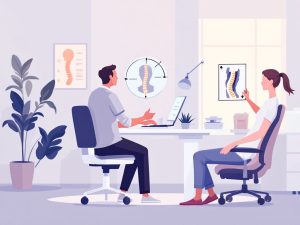

Back pain chiropractic care is a natural, effective way to address discomfort that can otherwise impact your daily life and long-term health. When your back hurts, even simple tasks—like bending over to tie your shoes or lifting a light bag—can become a challenge. Seeking professional assistance can help you move forward with confidence and reduced pain. At Bowker Clinic of Chiropractic, you will find caring professionals who offer natural pain relief, family-focused treatment plans, and comprehensive wellness care. By opting for a drug-free, non-invasive approach, you give yourself or your loved one the chance to achieve lasting relief and a renewed sense of well-being. Below, you will discover what makes chiropractic care a powerful ally in your journey toward a healthier back, why Bowker Clinic of Chiropractic stands out, and how you can prevent future episodes of pain.
Understand the impact of back pain
Back pain is among the most frequent reasons people miss work or seek medical assistance. According to the Mayo Clinic, it is a leading cause of disability worldwide and can range from a mild ache to a sharp, stabbing sensation that radiates down your legs (Mayo Clinic). Poor lifting technique, stress, or prolonged periods of sitting can aggravate your spine, making it harder to carry out daily activities. In many cases, this discomfort develops without an identifiable cause, as tests and imaging may not reveal a distinct underlying problem.
When back pain lingers, it can take a toll on your physical, mental, and emotional health. You may feel frustrated by limitations at work or miss out on family gatherings and favorite hobbies. Over time, these restrictions can lead to a cycle of worry, muscle tension, and even depression. It is important to acknowledge the seriousness of chronic pain, as well as the potential for recovery. Seeing your discomfort as a solvable challenge, rather than a permanent hurdle, sets the stage for real transformation.
Many people seek short-term fixes to reduce back pain, but these can sometimes cause more problems in the long run. For instance, reliance on pain medications might mask symptoms while failing to address the root cause. Research by the American Chiropractic Association shows that chiropractic treatments often help reduce the reliance on opioids, offering safe and effective care for veterans with low back pain (American Chiropractic Association). This underscores that a more comprehensive and sustainable approach does exist, one that does not require heavy medication or invasive procedures.
Choosing a provider that empathizes with your concerns is also important. Many individuals want to feel heard and understood, especially when they are in pain. At Bowker Clinic of Chiropractic, you will find a supportive setting that acknowledges your unique challenges and promotes an open discussion about your treatment options. By taking this caring, individualized approach, you can work toward a healthier back together.
Explore the chiropractic approach
Chiropractic care uses hands-on techniques—often called spinal adjustments—to align the joints in your spine. This alignment can alleviate pressure on nerves, reduce swelling, and improve the function of your entire musculoskeletal system. For most people, chiropractic adjustments are generally safe. According to Mayo Clinic, serious complications are rare when these treatments are performed by trained and licensed professionals (Mayo Clinic).
Chiropractors often incorporate complementary modalities, such as soft tissue therapy, exercise guidance, and ergonomic education. These supportive methods help address the underlying causes of back pain, rather than just the symptoms. Research indicates that seeing a chiropractor first for back issues significantly decreases the likelihood of long-term opioid use (American Chiropractic Association). This drug-free advantage appeals to many who wish to reduce their reliance on medication or surgery.
Because misalignments in the spine can negatively affect the nervous system, genuine relief requires more than a quick fix. One such fix might be taking medication that temporarily masks the pain, but that can lead to repeated flare-ups. Chiropractors, by contrast, focus on restoring proper spinal function. Studies have shown that spinal manipulative therapy may be as effective as other recommended interventions, such as physical therapy or exercise, for chronic low back pain (PubMed Central). The goal is improving your everyday movements and preventing future complications.
Additionally, chiropractic care can benefit your entire family, from infants to seniors. If your child or teenager is suffering from back pain due to sports injuries, posture issues, or other factors, gentle, age-appropriate techniques may be incorporated to foster natural healing. And if you are an older adult concerned about mobility, these adjustments can be adapted to meet your capabilities. By personalizing care, chiropractic offers versatile solutions for multiple age groups and situations.
Discover Bowker Clinic of Chiropractic
Choosing the right facility for back pain chiropractic care involves more than just scanning search results for a “chiropractor near me.” You want a clinic that values evidence-based treatments and prioritizes your overall health. Bowker Clinic of Chiropractic specializes in providing natural pain relief, family chiropractic services, and wellness care for all ages. Their philosophy is to thoroughly assess the root causes of your discomfort, explore non-invasive solutions, and customize a treatment plan that fits your needs.
When you arrive for a chiropractic diagnostic assessment, you will receive a detailed evaluation of your spine, posture, and overall health. This helps your chiropractor identify any misalignments, muscle imbalances, or lifestyle factors contributing to your pain. By examining your history and listening to your concerns, your provider can craft an approach accompanied by empathy and understanding.
If you have a hectic schedule, same day chiropractic appointment options ensure that you can receive care when you need it most, without waiting for weeks. Perhaps you are coping with persistent neck pain as well—Bowker Clinic is equipped to address a range of musculoskeletal concerns, and your plan may include reference to neck pain chiropractic treatment if necessary. Additionally, they offer gentle chiropractic care for individuals who may be apprehensive about the spinal manipulation process.
A significant hallmark of Bowker Clinic of Chiropractic is its commitment to ongoing education. If you are uncertain whether chiropractic adjustments will suit you, an initial chiropractic consultation service can help clarify the techniques and expected outcomes. As you progress, follow-up appointments can be scheduled at intervals that align with your goals, ensuring that each visit helps you either manage or prevent pain. With chiropractic maintenance care, you create an environment for continued improvement, reducing the chance of setbacks.
Learn key chiropractic techniques
Not all chiropractic adjustments are the same. Treatments vary based on your unique symptoms, body type, and lifestyle. Below is a closer look at some of the most common techniques and how they can help reduce back discomfort.
-
Spinal adjustments
This is the cornerstone of chiropractic care. Your chiropractor applies controlled force to specific joints of the spine to improve alignment. According to Zaker Chiropractic, such manual manipulation often relieves pressure on nerves, decreases inflammation, and can deliver long-term benefits like improved mobility. Spinal adjustments are often performed on a specialized table, allowing your practitioner to make precise movements while keeping you comfortable. -
Flexion-distraction technique
Particularly helpful for herniated discs, sciatica, or spinal stenosis, flexion-distraction uses gentle cyclic motion to stretch and flex the spine. Unlike a forceful thrust, this method eases pressure on the spinal nerves through a repeated stretching action. It is considered a safer alternative for those with fragile spines or acute pain that worsens with direct, forceful manipulation. -
Trigger point therapy
If you struggle with tight muscle knots, your chiropractor may recommend trigger point therapy to release tension. This approach focuses on improving circulation and flexibility around particularly tight or injured spots. By tackling the root cause of muscle tension, trigger point therapy could reduce referred pain that sometimes appears in other regions of your back or shoulders. -
Spinal decompression therapy
For patients dealing with degenerative disc disease or disc herniations, spinal decompression offers a nonsurgical way to elongate the spine, lessen disc pressure, and promote better fluid exchange in the spinal region. This can result in significant pain relief, more room for nerves, and improved mobility, all without incisions or lengthy hospital stays. -
Soft tissue therapy
Techniques like massage, myofascial release, or Active Release Techniques help address tension in muscles, ligaments, and tendons. These soft tissue therapies are typically combined with adjustments to create a more balanced approach. By reducing inflammation in surrounding tissues, you may experience a faster and more lasting recovery.
Different ailments sometimes require different techniques. For instance, if your back pain is related to poor spinal posture, your treatment might focus on adjustments and exercises for chiropractic posture correction. On the other hand, if you are seeking sciatica relief chiropractic, the plan may incorporate flexion-distraction or spinal decompression. By addressing multiple facets of your musculoskeletal health, you stand a better chance of overcoming back pain and staying active for the long haul.
Embrace your path to natural healing
It is natural to feel overwhelmed when back pain limits the activities you love. Yet research suggests that conservative management approaches like spinal manipulation therapy can be as effective as more conventional interventions, such as pain medications or physical therapy, especially for non-specific or chronic spine pain (PubMed Central). The difference is that chiropractic care prioritizes natural, drug-free methods, making it an appealing choice for individuals wary of side effects or surgical risks.
By choosing a holistic strategy, you recognize that back pain can involve muscles, nerves, joints, and lifestyle habits working together in complex ways. For instance, if you have an occupation requiring prolonged standing, the extra spinal pressure may worsen your discomfort. Or if you experience stress at home, that might manifest in tense muscles that shift your spinal alignment. A comprehensive chiropractic plan addresses all these elements, giving you a well-rounded path to relief.
Your road to recovery can also incorporate other specialized services offered by Bowker Clinic of Chiropractic. If you recently had an accident, chiropractic for car accident injury or chiropractic for work injury may accelerate healing. Expectant mothers might find relief through a prenatal chiropractic adjustment, while athletes dealing with intense training schedules can benefit from sports injury chiropractic. Even children can receive pediatric chiropractic care, which can help set them on a healthy track for years to come.
Importantly, choosing to embrace your healing journey is also about emotional well-being. Chronic pain can be disheartening, but an empathetic provider can help you stay motivated. Regular visits to Bowker Clinic may provide reassurance that progress, no matter how gradual, is both recognized and celebrated. A compassionate team can lift your spirits, reinforcing that recovery is possible and progress is worth pursuing.
Consider tips for preventing back pain
Once you have taken steps to address existing discomfort, preventing flare-ups becomes a priority. While some causes of back pain are outside your control—such as age-related spinal degeneration—others can be minimized by proactive self-care. Some strategies focus on strengthening core muscles, while others emphasize posture or healthy daily habits. Use these tips as a jumping-off point for preserving your newfound comfort:
-
Practice proper posture
Slouching can strain your spinal discs, putting unnecessary stress on your back. Make an effort to sit upright with your shoulders relaxed, and keep your feet planted on the floor. Adjust your workstation so that your wrists, forearms, and elbows form a 90-degree angle, and consider investing in an ergonomic chair if you spend much time at a desk. -
Lift items carefully
When lifting heavy objects, bend your knees while keeping your back straight. Avoid twisting mid-lift, as this movement can cause sudden spinal strain. Let your leg muscles do the work, and keep objects close to your body. If you are unsure about an item’s weight, ask for help. -
Stay active
Weak muscles are a major contributor to chronic discomfort. Regular exercise helps stabilize your spine and strengthens the muscles supporting it. Whether you enjoy yoga, swimming, or brisk walks, staying physically active builds resilience against future aches. Even moderate activity offers dividends in flexibility, stamina, and improved mood. -
Use supportive footwear
High heels or worn-out shoes can shift your spinal alignment and cause or worsen back pain. Ensure that your footwear provides proper arch support, especially if you spend long hours standing or walking. For day-to-day activities, a stable pair of shoes can make a notable difference. -
Manage stress
Tension and stress tend to manifest physically in your body. This can lead to tightened muscles around the neck, shoulders, and lower back. Techniques like deep breathing, meditation, or gentle stretching can lower your stress levels and protect you from stress-induced discomfort. -
Check in with regular chiropractic care
Periodic adjustments can keep minor misalignments from turning into significant problems. Scheduling a chiropractic follow up visit when your body starts feeling off can allow you to address potential stress points before they escalate into major pain episodes. Having a supportive relationship with your chiropractor helps maintain a healthy spine long term.
By weaving these practices into your daily or weekly routine, you reduce the risk of setbacks. Still, if you do encounter sudden flare-ups, prompt attention can lessen the severity of the episode.
Review common questions about back pain chiropractic care
-
Is chiropractic safe for children with back pain?
Yes, in most cases. Pediatric chiropractic approaches use gentler techniques suitable for growing bodies (Mayo Clinic). If your child is dealing with posture issues, sports injuries, or discomfort related to carrying heavy backpacks, a qualified chiropractor can offer interventions tailored to their size and developmental stage. At Bowker Clinic of Chiropractic, pediatric chiropractic care respects these unique needs and ensures safety with age-appropriate methods. -
What can you expect during your first chiropractic appointment?
You might begin with a thorough chiropractic consultation service to discuss your medical history and any current symptoms. Your provider may then perform a physical evaluation or a chiropractic diagnostic assessment, looking for misalignments or posture imbalances. Based on the findings, you may receive a gentle spinal adjustment, or your chiropractor might recommend imaging tests, exercises, or soft tissue therapy. The session typically ends with guidance on at-home care and advice on preventive measures. -
Should you continue chiropractic care after your back pain improves?
Maintaining periodic chiropractic maintenance care can help keep your spine aligned and reduce the risk of recurring issues. Similar to how you continue dental checkups even after a cavity is filled, regular chiropractic visits serve as a proactive strategy. Sustained care can also address subtle changes in your spine that arise from daily stresses. -
Can you combine chiropractic care with other treatments?
Absolutely. Many individuals benefit from a multidisciplinary approach, incorporating physical therapy, acupuncture, or even massage therapy alongside chiropractic. In fact, studies show that combining spinal manipulative therapy with exercises can yield better results than using one therapy alone (PubMed Central). For instance, if you have a persistent neck or shoulder issue, a referral to neck pain chiropractic treatment or an additional therapy might amplify the benefits you receive from chiropractic adjustments. -
How soon do you see results from chiropractic care?
Responses vary widely, based on factors like the severity of your back pain, your overall health, and how well you follow at-home instructions. Some people report relief after one or two visits, while others find that sustained improvement occurs over multiple sessions. Patience is key. Because chiropractic care aims to correct underlying structural misalignments, it can take time for your muscles and nerves to fully adapt to changes in the spine.
Conclusion
Back pain can be life-altering, but you do not have to navigate it alone. Chiropractic care offers a natural, holistic approach that addresses the origins of spinal discomfort rather than simply masking the pain. By entrusting your well-being to Bowker Clinic of Chiropractic, you can explore options ranging from gentle manual adjustments to comprehensive wellness strategies for the entire family. Whether you are seeking immediate relief or looking to strengthen your body’s defenses against future discomfort, chiropractic care can help you reclaim freedom of movement and enhance your quality of life. Embrace the possibility of a brighter, more active future—your path to healing is closer than you think.