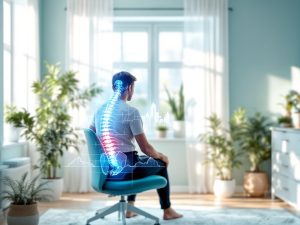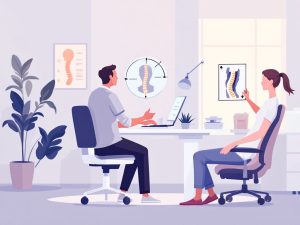

If you have been in a car accident, exploring chiropractic for car accident injury could be one of the most vital steps you take toward healing. Chiropractic care offers a supportive environment for individuals dealing with strains, sprains, whiplash, and other trauma-related discomfort. At Bowker Clinic of Chiropractic, you can access a comprehensive care plan that prioritizes your recovery needs and empowers you to regain health and wellness without resorting to invasive procedures or heavy medications. Below, you will find insights on how chiropractic care addresses common auto accident injuries, the core therapies involved, and why turning to Bowker Clinic of Chiropractic may offer you or a loved one the best path for lasting recovery.
Know chiropractic essentials
Chiropractic goes beyond simply “cracking your back.” It is a holistic approach to musculoskeletal health aimed at restoring proper alignment in your spine, supporting your nervous system, and promoting natural healing. As you recover from a car accident, you may notice symptoms such as neck pain, back pain, headaches, or lingering tightness in your muscles. These signs often indicate dysfunction in your spine or soft tissues, and they may worsen if not correctly managed.
- Spine and nervous system connection: By focusing on the spine’s alignment, chiropractors help reduce nerve pressure, promote improved communication between the brain and body, and encourage healing.
- Noninvasive relief: Treatment often involves gentle, hands-on therapies rather than surgery or medication.
- Personalized plan: Chiropractors evaluate your injuries and medical history to craft an individualized plan that targets the root cause of pain.
Because each person responds differently to treatment, your care may look different than someone else’s. Factors such as age, injury severity, and your general health can all impact how many sessions you might need.
Address key auto injuries
Auto accidents can cause a variety of injuries. No two collisions are the same, and the way your body responds to sudden impact often depends on the collision speed, angle, and your body’s resilience. While you might experience symptoms immediately after the accident, some injuries go unnoticed for days or even weeks.
Common injuries you might face
-
Whiplash: This is the most frequent car accident injury, particularly in rear-end collisions. It involves a violent snap of your neck, which can damage the ligaments, tendons, and joints in your cervical spine. Frequently, you can feel neck pain, stiffness, headaches, and even dizziness if you have whiplash. Chiropractic care can help realign your cervical spine and reduce both pain and inflammation (Tradition Family Chiropractic).
-
Spinal misalignment: Sometimes, a car accident can throw vertebrae out of alignment, causing persistent pain, numbness, or tingling in your arms or legs. You may experience more intense cases, such as herniated discs that press on nerves (Hogan Chiropractic).
-
Soft tissue injuries: Muscle, ligament, and tendon strains often occur when your body is forced to decelerate abruptly. These injuries may cause swelling, inflammation, or persistent aches. According to some estimates, many soft tissue injuries improve within 2 to 6 weeks of consistent chiropractic intervention, though more serious conditions can last several months (Dr. Mark Taylor Chiropractic).
-
Lower back pain and sciatica: If you have been thrown against a seatbelt or vehicle interior, you could develop lower back pain that lingers for weeks. In the case of sciatic nerve compression, you might feel radiating discomfort in your legs. Targeted adjustments can relieve pressure in the lumbar area and encourage mobility.
-
Headaches and dizziness: Tension headaches and dizziness from neck injuries are quite common post-collision. Chiropractors use adjustments, soft tissue therapy, and therapeutic exercises that help reduce these symptoms by addressing misalignments and muscle tension (Hogan Chiropractic).
Throughout your recovery, acknowledging these unique challenges can set the foundation for a tailored treatment program, ensuring the support necessary for lasting recovery.
Discover our holistic approach
At Bowker Clinic of Chiropractic, you will find a welcoming and nurturing atmosphere where professionals listen to your concerns and create individualized plans. Receiving chiropractic care for car accident injuries is not just about reducing immediate pain. It entails:
- A supportive environment: You can expect empathy and understanding from our qualified staff. By recognizing the full scope of your struggles, we can adjust your treatment to meet those challenges effectively.
- Tailored treatment programs: We recognize that everyone has different needs, so we use a variety of therapies, from gentle spinal adjustments to targeted soft tissue therapies.
- Comprehensive care: Besides manual adjustments, we may recommend rehabilitative exercises, posture coaching, and ongoing monitoring. This well-rounded approach strives to support the entire healing process—physical, mental, and emotional.
We want you to feel empowered to share your concerns, progress, and setbacks so we can modify your personalized plan accordingly. That mutual understanding ensures you receive the care that speaks directly to your situation.
Explore core treatment methods
Chiropractic for a car accident injury generally involves a few core methods. The purpose of these techniques is to reduce pain and correct underlying dysfunctions that, if left untreated, could persist for years. Some prevalent methods include:
1. Spinal adjustments
Spinal adjustments, sometimes referred to as chiropractic manipulations, focus on realigning the vertebrae:
- Resolving misalignments: When a collision jostles your body, your vertebrae can slip out of their normal positions, irritating nerves. By applying gentle pressure, chiropractors guide these vertebrae back to alignment.
- Reduced inflammation: Aligned vertebrae and improved spinal motion help your body release its own anti-inflammatory substances, lowering swelling in associated muscles and ligaments (Pinder Plotkin).
- Enhanced function: Proper alignment relieves tension on the spinal cord and nerves, allowing a clearer pathway for signals to flow between your brain and your body.
If you or a family member are seeking ongoing support for your back, you may also want to explore our back pain chiropractic care page, which provides more detailed information on how we manage back-related issues.
2. Instrument-assisted manipulation
For those with more fragile bones or severe pain, specialized instruments deliver low-force adjustments:
- Gentle approach: Tools allow your chiropractor to administer precise pressure without additional stress on tender joints.
- Customized force application: If you have acute pain, an instrument can pinpoint areas that need attention while minimizing discomfort.
This method is especially advantageous for older individuals or those dealing with complicating factors, such as additional injuries or chronic conditions.
3. Soft tissue therapy
Muscle tension often accompanies a collision-related injury. Soft tissue therapy can help:
- Relieve muscle spasms: Techniques like myofascial release and trigger point therapy loosen knots.
- Improve circulation: By encouraging blood flow, soft tissue work improves nutrient delivery, assisting the body in natural repair.
- Complement spinal adjustments: Relaxed muscles allow for deeper, longer-lasting effects from adjustments.
If your pain radiates down your legs, you could find more information on sciatica relief chiropractic, which addresses nerve impingement that is common after an auto accident.
4. Rehabilitative exercises
After your chiropractor re-aligns your spine and addresses soft tissue damage, you may need rehabilitative exercises:
- Stabilizing and strengthening: Exercises target the muscle groups that protect your spine, preventing future strains.
- Restoring range of motion: Gentle movements and stretches improve flexibility in tight areas.
- Building confidence: As you see improvements in your mobility, you gain the motivation to continue daily activities safely.
This aspect of chiropractic care underscores the importance of comprehensive care. By uniting hands-on therapies with exercise, you create a long-term solution rather than a short-term fix.
Consider timelines and factors
You may naturally want a precise timeline for your recovery, but healing can vary greatly. Some people feel significantly better in a few days, while others contend with symptoms for months. Soft tissue injuries from car accidents often begin to improve within 2 to 6 weeks, yet more complicated conditions like herniated discs or severe whiplash can demand several months of continuous therapy (Dr. Mark Taylor Chiropractic).
A few factors that influence the timeline:
- Age: Younger individuals typically heal faster, while older bodies may need more time to rejuvenate.
- Injury severity: A minor fender-bender that leaves you with mild neck soreness will involve a shorter recovery period than a high-speed collision.
- Overall health: If you have strong pre-accident fitness levels, a robust immune system, and minimal chronic conditions, you typically bounce back quicker.
- Prompt diagnosis: Early care within 24 to 72 hours can help prevent scar tissue buildup and new movement patterns that may hamper your spinal alignment (Dr. Osland).
Typical phases of care
You can break down chiropractic treatment for car accident injuries into phases. While these can vary slightly, the structure often looks like this:
| Phase | Approximate Duration | Primary Focus |
|---|---|---|
| Acute Phase | 1–3 weeks | Alleviating immediate pain and inflammation |
| Corrective Phase | 3–8 weeks | Restoring proper alignment, strengthening muscles |
| Maintenance Phase | Ongoing if needed | Monitoring progress and preventing recurring issues |
This phased approach ensures you receive continuous support, rather than abrupt care that only addresses surface-level symptoms.
Understand potential risks
In general, chiropractic is recognized as a safe and effective treatment for those seeking noninvasive care after a car accident. However, like any healthcare procedure, there may be minimal risks:
- Temporary soreness: Up to 50% of people may experience temporary minor side effects, such as soreness or headaches, after a chiropractic session (Medical News Today).
- Rare complications: Cervical arterial dissection and hemopneumothorax are complications occasionally mentioned in the literature, though they are rare (Medical News Today).
If you suspect you have life-threatening injuries, such as fractures or internal bleeding, you should seek immediate emergency care. Chiropractic can then come into play once you secure medical clearance and stabilize any urgent conditions. Your safety is our top priority. We always encourage open communication about your health status, especially if you notice any unusual symptoms.
Choose Bowker Clinic of Chiropractic
When deciding who to trust for chiropractic care, you want a team committed to addressing your unique challenges after an auto accident and delivering the support necessary for lasting recovery. Bowker Clinic of Chiropractic provides:
- Family-focused care: Whether you are the one with the auto injury, or your child is struggling with misalignment, you can find solutions at Bowker Clinic. If you have additional family members who might benefit from chiropractic, consider reading about our family chiropractic services.
- Individualized plans: We examine your circumstances carefully and craft a plan to handle everything from whiplash to persistent lower back discomfort.
- Experienced professionals: Our chiropractors are familiar with diverse auto accident injuries. We avoid a cookie-cutter approach, ensuring you receive specialized attention.
- Comprehensive resources: Beyond hands-on adjustments, you can access rehabilitative exercises, posture training, and ongoing support through chiropractic maintenance care.
By integrating these elements, our clinic delivers a tailored treatment program that fosters hope and addresses every aspect of your health. We are equipped to show you the safe, natural paths toward healing.
Focus on total recovery tips
Although chiropractic services play a core role in your path to wellness, you can take additional steps to improve your healing:
- Stay hydrated. Water helps transport essential nutrients to your muscles and joints, crucial for tissue repair.
- Apply heat or cold. Depending on your chiropractor’s instructions, applying heat relaxes muscles, while ice combats inflammation in acute phases.
- Maintain light movement. Gentle walks or stretches can prevent stiffness and keep your circulation flowing. Avoid strenuous activities, but stay moderately active to encourage joint mobility.
- Follow postural guidelines. If your chiropractor recommends posture correction, it can reduce strain on healing tissues. Engaging in a chiropractic posture correction plan can provide continuous benefits beyond the initial recovery.
- Attend all follow-up appointments. Even if you feel much better, it is wise to see the process through. Completing the corrective and maintenance phases can help prevent future mishaps and ensure comprehensive care.
- Consider nutritional support. Supplements or dietary changes (recommended by your healthcare provider) might accelerate tissue repair and curb inflammation.
Let your chiropractor know about any changes in your symptoms, whether they improve or intensify. Open dialogue helps adjust your treatment plan and prevents minor setbacks from becoming bigger issues.
Review common FAQs
Below are five frequently searched questions about chiropractic for car accident injuries, along with concise answers to help guide you:
-
How soon after an auto accident should I see a chiropractor?
Seeking chiropractic evaluation within the first 24 to 72 hours is recommended. Early consultation can reduce the formation of scar tissue and unwanted movement patterns, often shortening your overall recovery time. -
Can chiropractic care help with whiplash and neck pain?
Yes. Through gentle spinal adjustments, soft tissue therapies, and rehabilitative exercises, a chiropractor can address the root causes of your neck discomfort, alleviating tension and promoting proper alignment. If you need more targeted help, you can check out our neck pain chiropractic treatment page. -
Is chiropractic care safe for older adults or children after a car accident?
Chiropractic is a noninvasive approach suitable for many age groups. For older adults, low-force methods like instrument-assisted manipulation can be used. Children’s treatments are modified to be extra gentle and are typically referred to as pediatric chiropractic care. -
How many chiropractic sessions do I need?
The number of sessions varies widely based on your injury’s severity, your overall health, and how quickly you respond to treatments. Some conditions improve in a few visits, while others may take several weeks or months. Following your chiropractor’s recommended schedule, usually outlined during your chiropractic consultation service, is the best way to ensure proper healing. -
Is chiropractic care covered by insurance after a car accident?
This depends on your insurance policy and the details of your accident claim. Many policies do cover chiropractic treatments for auto accidents, but you should confirm coverage by contacting your insurance provider or discussing it with our office staff.
By incorporating these FAQs into your research, you can make well-informed decisions and streamline the process of seeking proper care.
Making consistent progress after a car accident can be challenging, but you do not have to navigate it alone. Bowker Clinic of Chiropractic specializes in providing the comprehensive care you need, from thorough evaluations and precise adjustments to ongoing support throughout your recovery. The end goal is to empower you, fostering renewed confidence in your body and optimism for a future free from pain.
By choosing chiropractic for car accident injury, you are embracing a path that respects your body’s natural healing capabilities. Whether you are dealing with mild aches or serious trauma, our supportive environment and tailored treatment programs give you the strong foundation necessary for lasting recovery. We invite you to explore our various services, ask questions about your unique situation, and take the next step toward reclaiming your health safely and effectively.